The Right to Bear Arms
A dispatch from a women's only hunter education field skills evaluation in Okanogan County, May 16, 2026—the second such course held in Washington State—and a note on where firearms instruction sits within the larger architecture of rural public safety.
On May 16, 2026, I co-taught a women's only hunter education field skills evaluation course in Okanogan County.
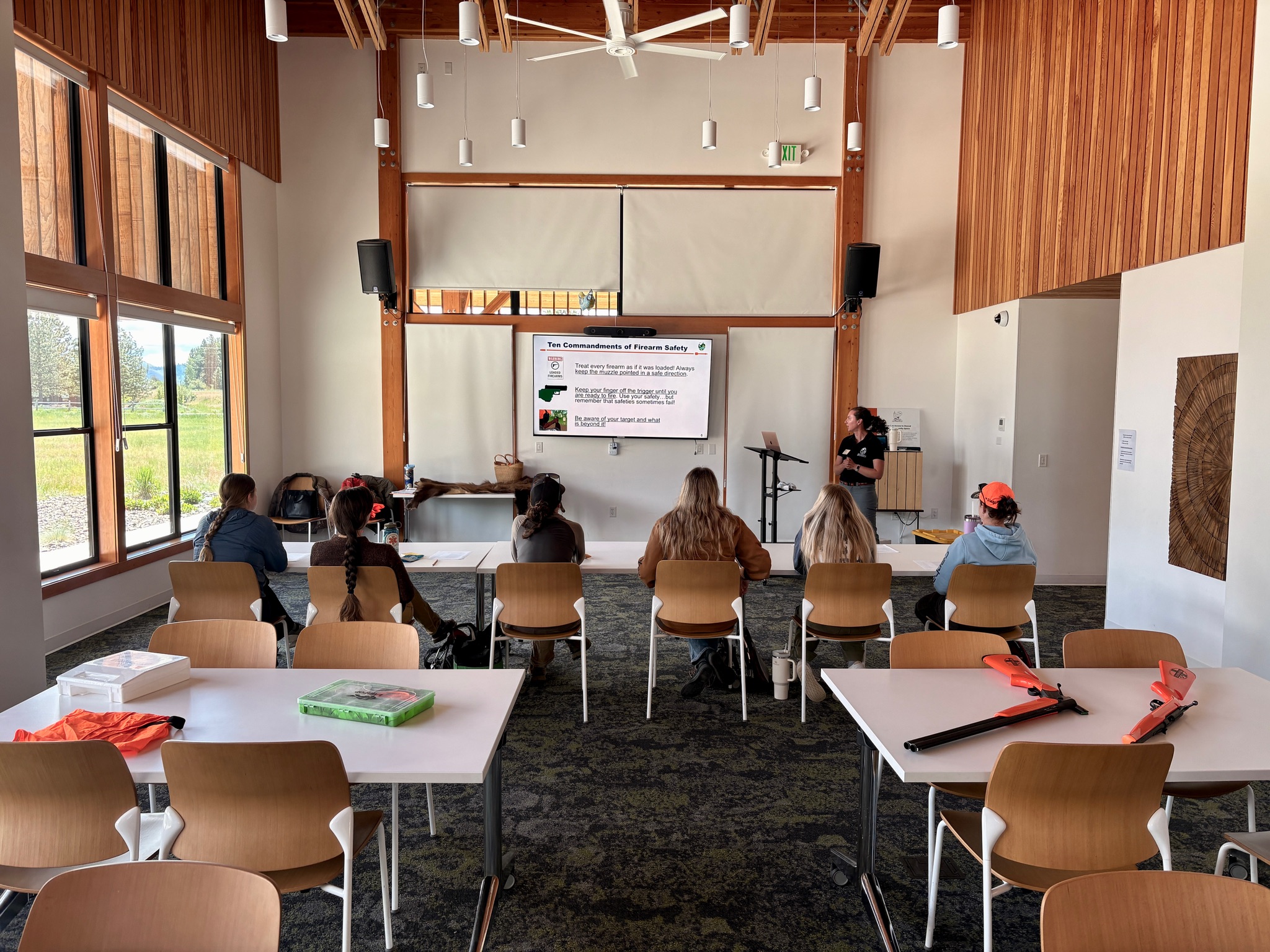
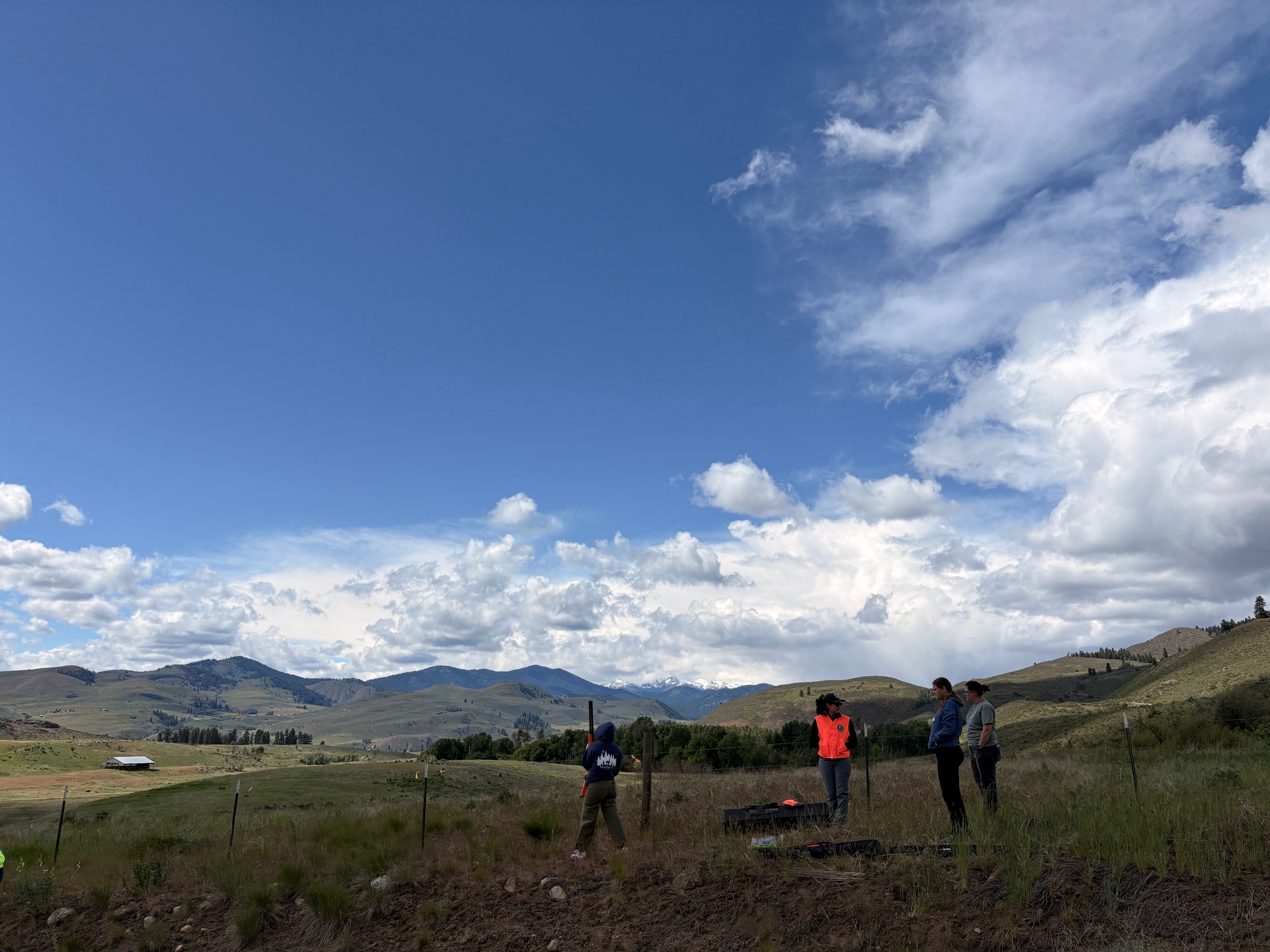
The day's curriculum was conventional: live fire practice, field navigation, safe storage presentation, and deep discussion of ethical hunting and conservation practice. None of those topics, in a region where many households are armed, stay theoretical for long. The conversation moves quickly to aging loved ones with declining cognition and a safe full of rifles. To protection orders that fail to convert into surrendered firearms. To balancing home defense with children's safety. To the disclosures that come, sometimes mid-paragraph, about lived experience the participant had not intended to discuss when she signed up.
In Okanogan County, the gap between Washington State's firearm statutes and the women who live inside their daily friction is what I have come to call the rural threshold. State law assumes a delivery system: courts that operationalize protection orders, prosecutors who pursue relinquishment, dockets that schedule compliance hearings, services that intercept escalation. None of that delivery infrastructure functions reliably in a county of forty thousand people stretched across more than five thousand square miles. The statute exists. The mechanism that converts statute into protection does not.
Why women's only matters
Many of the women in the room had handled firearms most of their lives but had never been taught by another woman, in the company of other women, without implicit pressure to perform competence they did not have or to mask discomfort they did. Some attendees handled firearms for the first time that day, at the range, with instructors and peers willing to move at the pace the skill required. The classroom changes when those conditions change.
This is not a marginal observation. The field of firearms instruction in the United States is structured almost entirely around male instructors teaching male students. Women's only courses are rare enough that this one was the second of its kind in Washington State. The scarcity is its own data point.
Why this belongs in the rural public safety conversation
Rural women in places like Okanogan County face elevated rates of intimate partner violence and intimate partner homicide alongside limited access to legal, medical, and behavioral health services. The structural disenfranchisement is layered: jurisdictions too small to maintain specialized prosecutors, sheriff's offices stretched across thousands of square miles, the closest shelter often counties away, the cultural conditions that ask women to absorb harm quietly.
In that context, a woman without the practical knowledge to safely store, transport, and unload the firearms already in her home is carrying a disadvantage. Practical education mitigates it measurably. The course we taught is a working answer to that gap.
A serious conversation about rural public safety includes:
- Safe storage as the most immediate intervention to reduce firearm injury, suicide, and unauthorized access in homes with children
- Extreme Risk Protection Orders and the rural implementation infrastructure that makes them come alive
- Compliance hearings and orders of contempt used fluently and consistently to make sure Orders to Surrender Weapons provide actual relief
- The cultural conditions that allow rural women to be elevated targets and underserved respondents at the same time
- The pedagogy of instruction itself: who teaches, in what configurations, to whom, with what authority
The vision is straightforward. Women in rural communities with full agency over how the firearms in their homes are handled, stored, and used. The training that produces that agency is currently scarce. It does not have to be.
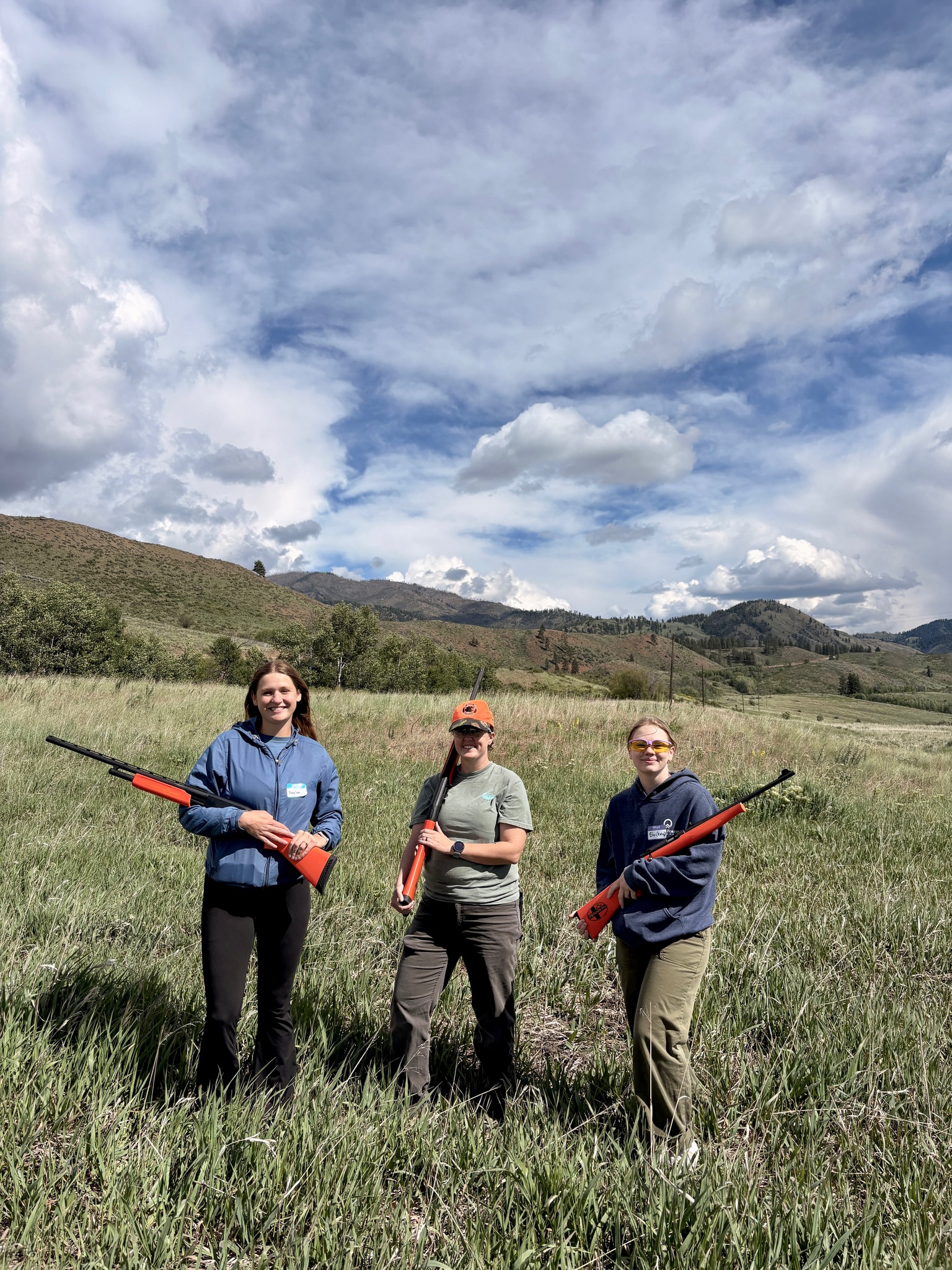
Acknowledgments are due to the Washington Department of Fish & Wildlife, to my co-instructor Megan Turnock, and to the women who showed up willing to learn new skills in community with one another.
Selected sources
- Campbell, J. C., Webster, D., Koziol-McLain, J., Block, C., Campbell, D., Curry, M. A., et al. (2003). Risk factors for femicide in abusive relationships: Results from a multisite case control study. American Journal of Public Health, 93(7), 1089–1097.
- Hall, A., Varrella, G., Ellyson, A., Schleimer, J., Dalve, K., Kuklinski, M. R., Gause, E., Oesterle, S., Weybright, E. H., & Rowhani-Rahbar, A. (2024). Firearm experiences, behaviors, and norms among rural adolescents. JAMA Network Open.
- Weybright, E. H., Hall, A., Willoughby, J., Dalve, K., Schleimer, J., Ellyson, A., Watters, C., Gause, E., Kuklinski, M. R., Varrella, G., & Rowhani-Rahbar, A. (2024). Conceptualization of firearm-related terms among rural adolescents: Definitions matter. Youth & Society. sagepub.com
Haliruna's firearms literacy work sits within a broader rural public safety practice that includes ERPO implementation, firearm relinquishment infrastructure, and multidisciplinary response design. Engagement and partnership inquiries: inquiries@haliruna.com.